
Good web design should not just fill space online. It should support trust, explain your business clearly and help visitors move toward action with less hesitation.
24/7, 365 days a year your business is live
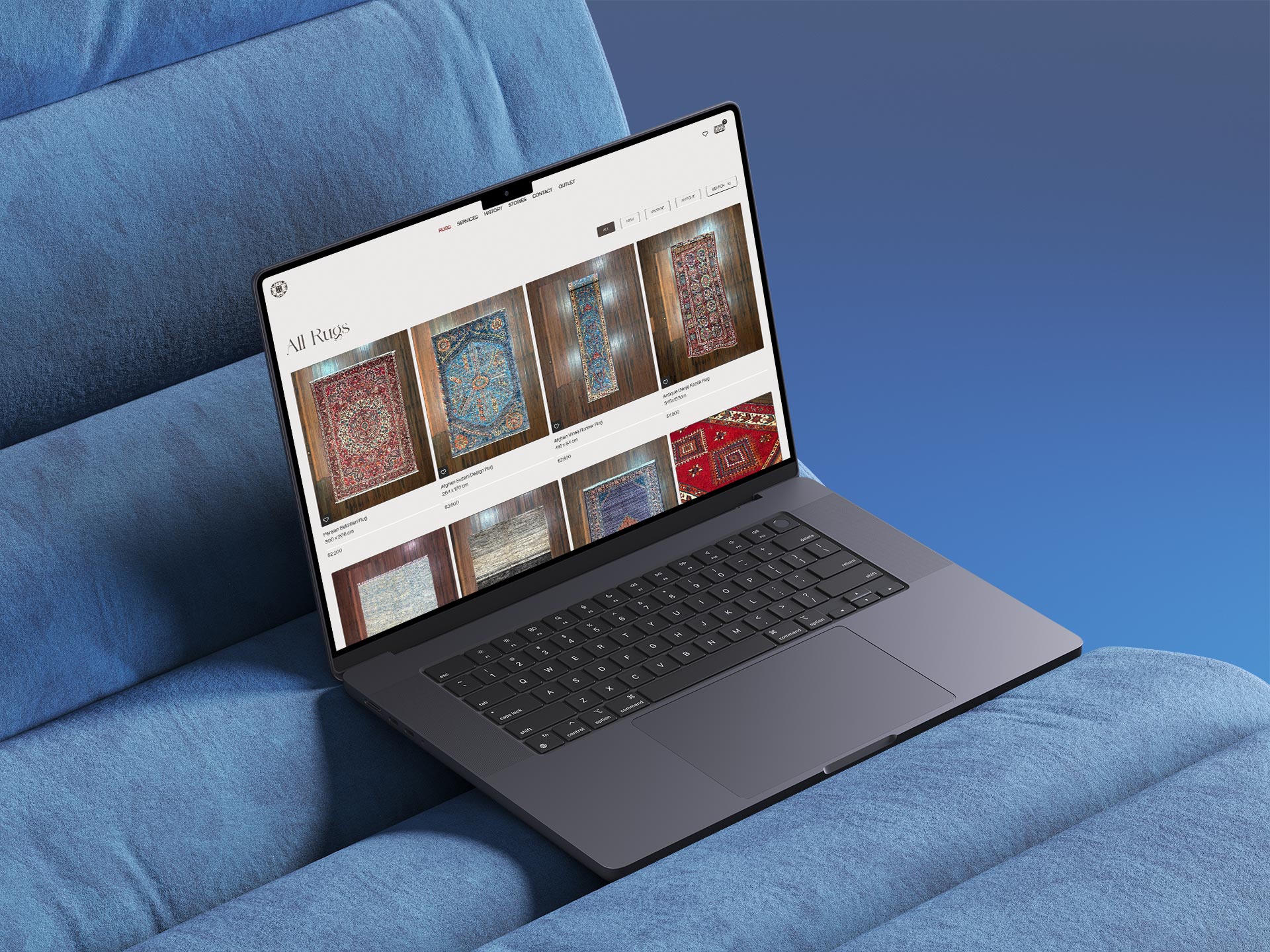
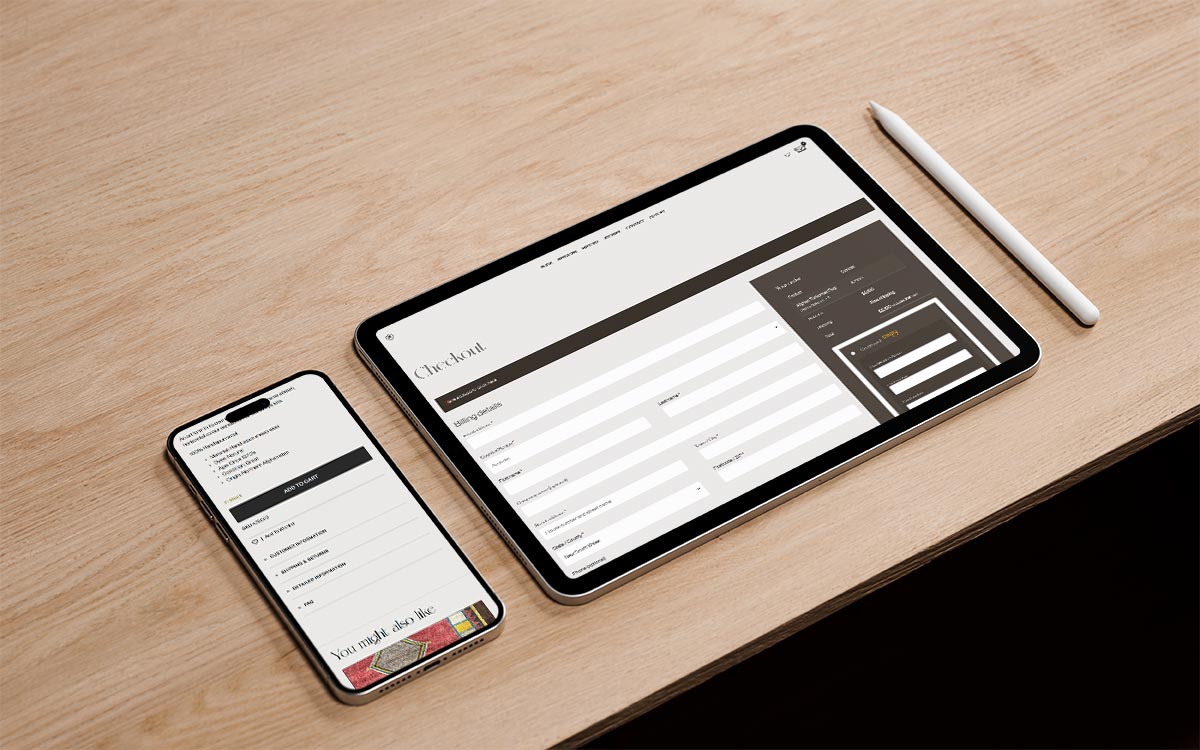
We design and build websites that look sharp, feel easy to use and suit how your business actually runs. The aim is clear structure, useful content and branding that feels like you, so visitors quickly understand what you do and why you are a good fit.
Website design
Ecommerce builds
Website refreshes
UX and structure reviews
We look after your website once it is live, taking care of updates, fixes and day‑to‑day changes. Hosting, maintenance and check‑ins run quietly in the background, so your site stays secure, working properly and ready for whatever comes next.
Website hosting
Ongoing maintenance
Security and backups
Content changes


It's what we do
Your website is often the first place people decide whether your business feels current, trustworthy and worth contacting. Weak, outdated, or confusing design can quietly weaken a strong service offer. It can also make it harder for people to take you seriously.
A more effective site is usually built on sound website standards and guidelines rather than visual guesswork alone. That means considering structure, accessibility, content, devices and performance together instead of treating design as decoration.
Good web design also shapes how people move through your site. Thoughtful page layout, clear headings and obvious next steps can reduce friction and make enquiries feel more natural.
If you are also reviewing your wider digital activity, it may help to combine web design and digital marketing. This way, campaigns, content and your website all work towards the same goal.
Every project is shaped to fit the business, but common inclusions typically cover:
Strategy and page planning – deciding which pages you need, what each one should do and how visitors should move through the site.
Custom website design and development – creating layouts, components, and templates that reflect your brand and support how you work.
Branding alignment – carrying your branding and logo design and visual identity through the site so everything feels consistent.
SEO-aware structure – planning navigation, headings, and content with SEO in mind. This helps search engines and people understand the site.
Hosting and maintenance – keeping the site stable and supported through the digital agency
Ongoing support after launch – making updates, refinements and improvements as the business evolves.
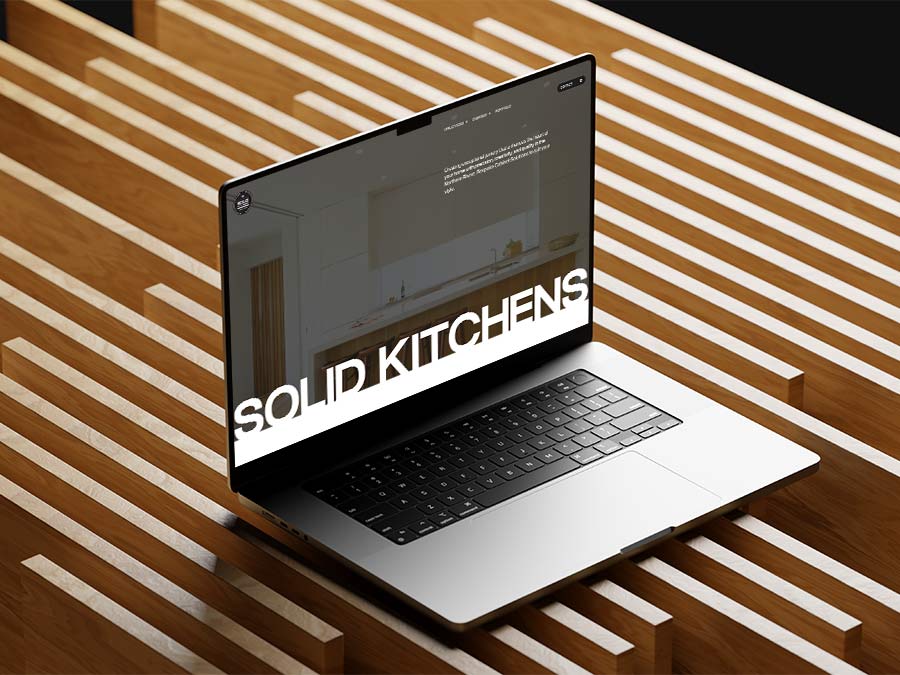


Technology, don't get left behind
The exact steps shift depending on the size and complexity of the site, but most projects move through a similar sequence:
Discovery and goals – clarify what is not working, what needs to change and what you want the site to achieve.
Site structure and content plan – map page types, priorities and internal links, often informed by the thinking on the home page.
Visual design and branding integration – bring layouts to life using your existing brand or updated branding and logo design.
Development and implementation – build the site, integrate content, set up forms and connect analytics and tracking.
Review, testing and launch – check behaviour across devices, refine details and launch once everything is ready.
Post-launch support – continue with refinements, website SEO, digital marketing or maintenance as needed through the digital agency.
Many projects are for businesses in Byron Bay, Ballina, Lismore, Tweed Heads and the Gold Coast. These markets are often visually competitive. This means your site needs to look as strong as the options customers compare you with.
For local and regional clients, web design work often focuses on:
Clarity of services – making it easy to see what you do and where you operate.
Local relevance – reflecting the places and conditions you work in, often backed up by dedicated location pages.
Trust and proof – using examples from the branding agency portfolio or recent work so people can judge fit.
Ease of contact – making it simple to call, enquire or request a quote from any page.
When needed, local design work also links with ongoing website SEO. This helps the site serve existing referrals and attract new visitors.
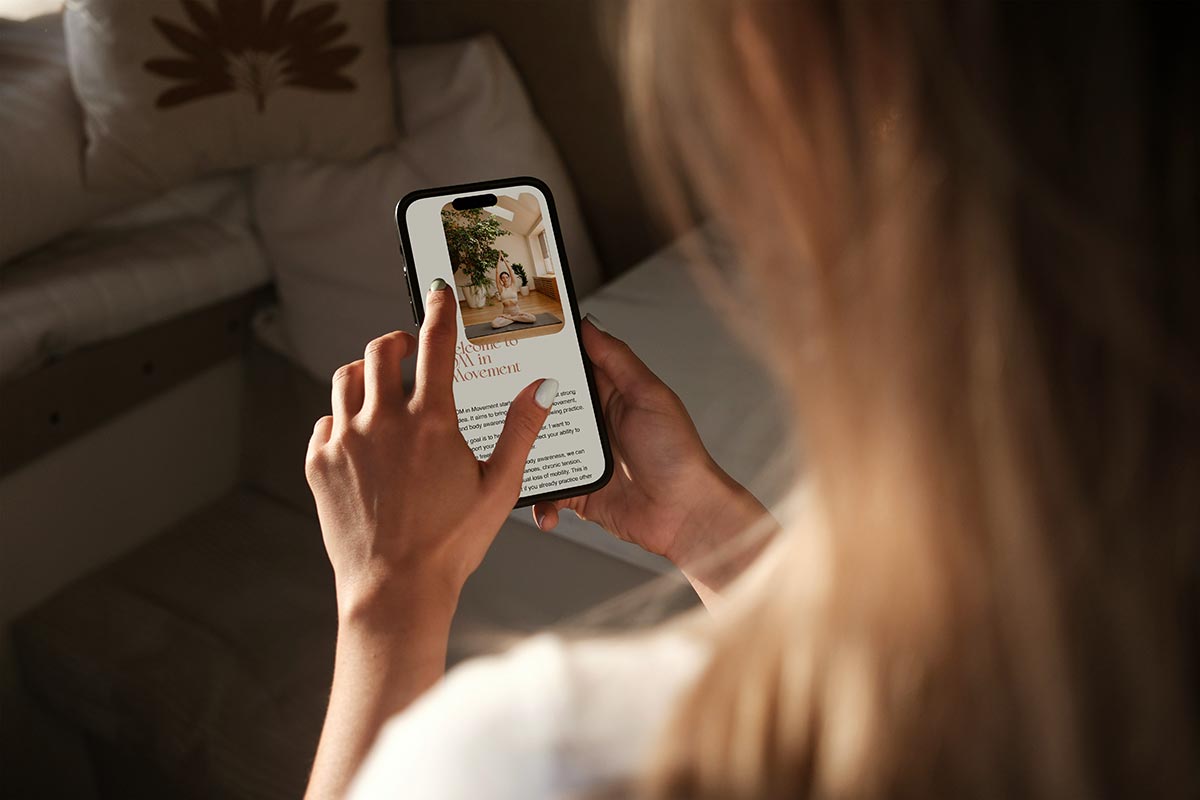

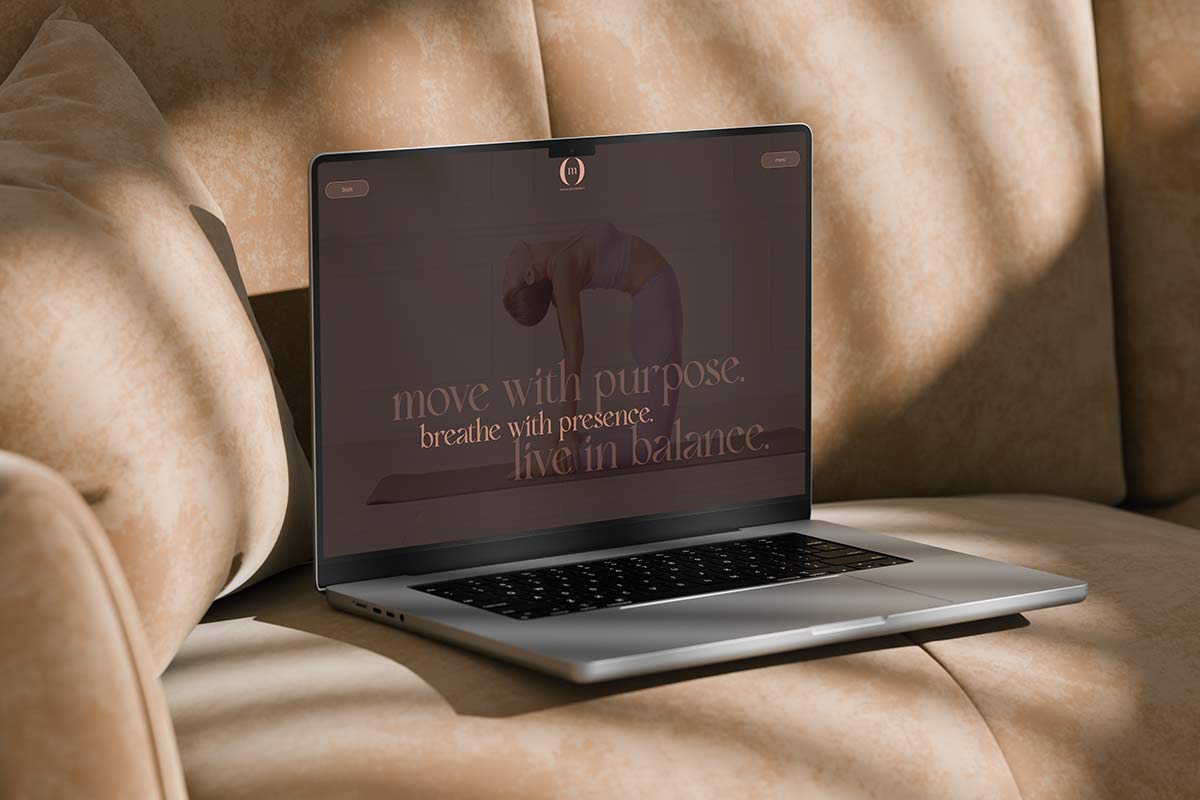
Sometimes a site looks and feels weak because the underlying branding has not been defined clearly enough. In those cases, it is usually better to improve the brand and website together. This works best when the foundation is unclear.
Combining the web design process with branding and logo design can help you:
If your brand already feels strong, but your site lets it down, we can focus on structure. We can improve layout and usability. We will still respect what already exists.
Design, content and SEO work best when they are planned together. A visually impressive site that is hard to crawl, slow to load or confusing to navigate will still struggle to perform.
Web design projects at c55 typically include:
If search performance is a priority, and it should be, it is common to extend the project. Once the new design is live, this often becomes a dedicated website SEO engagement.
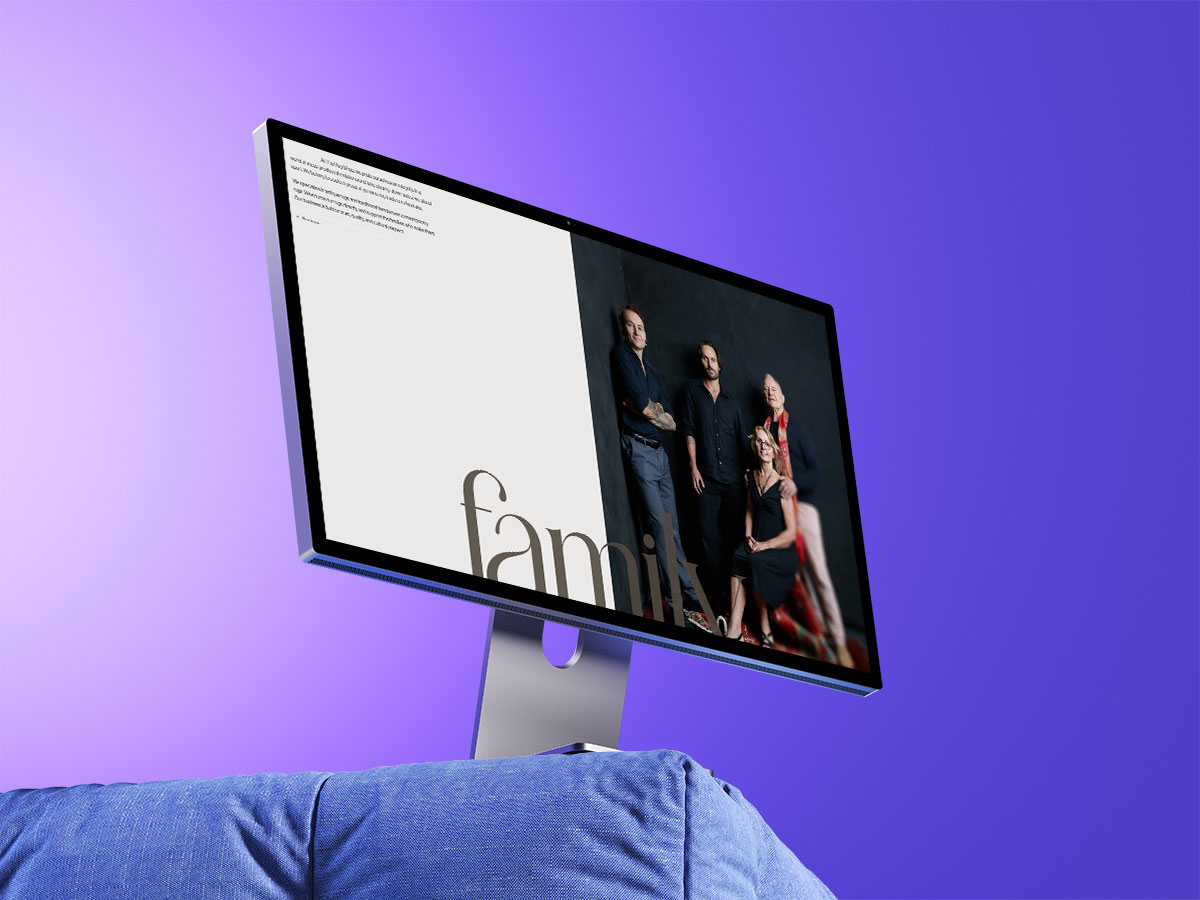
Branding is at the heart of what we do
You can explore related pages such as web design, website SEO, digital marketing and the branding agency portfolio to see how branding fits into the wider picture. Or, get in touch by clicking one of your options below.
It depends on the platform, age and limitations of the current site. If the structure is sound but the design and content need work, targeted improvements can be enough. If your site is hard to maintain, a rebuild may cost less. If it is slow or has technical limits, rebuilding can help. If it was built with older tools, a rebuild is often more future-proof.
You will be involved at key decision points – especially around goals, structure, brand direction and approvals. The aim is to make your input focused and useful rather than asking you to manage every small detail. Clear checkpoints are set at the start of the project so you know when your feedback will be needed.
Yes. Content planning and writing can be part of the project, informed by the same thinking that underpins website SEO. This often includes improving existing text. It can also mean writing new copy for key pages. It includes shaping headings and calls to action. It also involves updating internal links.
If branding needs work, it can be addressed through branding and logo design before or alongside the web design phase. If you also want support after launch, ongoing digital marketing and digital agency services are available. This way campaigns, content and the site itself stay aligned.
Timeframes depend on scope, size of website, content requirements and feedback cycles. A small to mid-sized business site usually runs 7 – 14 days from discovery to launch, while more complex builds can take longer. A realistic schedule is agreed at the start so you know what to expect.
After launch, support can include hosting, updates, refinements, website SEO, digital marketing and broader guidance through the digital agency. The aim is to keep the site useful and effective rather than treating launch as the finish line.
Super excited to chat with you.


